The Shifting Sands of California Home Insurance
For many California homeowners, the past few years have felt like a constant battle. Maybe you’ve seen your premiums jump 40% between 2022 and 2024. Perhaps State Farm or AAA sent you a non-renewal notice, leaving you scrambling for coverage. It’s completely understandable if you feel frustrated, confused, or even a little scared about what’s next. You’re not alone. So many folks are in the same boat, wondering why their home insurance has become such a headache.
Much of this upheaval isn’t just random; it’s deeply tied to California’s unique landscape of laws, regulations, and local ordinances. These aren’t just obscure rules; they directly impact who will insure your home, what they’ll charge, and what protections you actually get.
Why Your Neighbor’s Policy Looks So Different From Yours
Imagine two homes, practically side-by-side in the Inland Empire. One owner has an affordable policy with a major carrier; the other is stuck with the FAIR Plan. Why the big difference? Often, it comes down to specific characteristics of the property and how local ordinances play into risk assessment.
Think about wildfire risk, for example. In places like Ventura County or the Santa Cruz Mountains, local fire departments and state agencies have really ramped up defensible space requirements. These aren’t suggestions; they’re often mandated by local law. One homeowner might have meticulously cleared brush 100 feet from their house, installed a fire-resistant roof, and maintained metal gutters — all things that comply with county ordinances. Their neighbor, however, might have an older home with a wood shake roof and overgrown landscaping, maybe just outside the current ordinance compliance. That difference, driven by local rules, can mean the difference between getting coverage from a standard insurer like Farmers or being outright denied.

Understanding California’s Unique Insurance Rules
California operates under some very specific laws that shape its insurance market. These aren’t always straightforward. Sometimes, they even create friction between what consumers want and what insurance companies need to do business.
Proposition 103: A Double-Edged Sword?
Back in 1988, California voters passed Proposition 103. It’s a landmark law that gives the elected Insurance Commissioner the power to approve or reject rate increases proposed by insurers. It also ensures certain consumer protections, like the right to an administrative hearing if you feel a rate is unfair.
Now, for decades, Prop 103 largely protected consumers from runaway rate hikes. That’s a good thing, right? The short answer is yes. The real answer is more complicated. Here’s where it gets interesting: many insurers argue that Prop 103’s rate approval process is too slow and doesn’t allow them to raise rates quickly enough to cover their rising costs — especially with more frequent and severe wildfires, floods, and even seismic activity. They might be paying out far more in claims than they’re taking in from premiums. That’s not a sustainable business model.
When insurers can’t price policies to adequately cover their risk and expenses, they do one of two things: they either stop writing new policies in California, or they pull out of the state entirely. We’ve seen this happen with big names recently, and it’s left a lot of homeowners scrambling. So, while Prop 103 was designed to protect you, some argue it’s inadvertently contributed to fewer choices in the market.
Defensible Space and Wildfire Ordinances
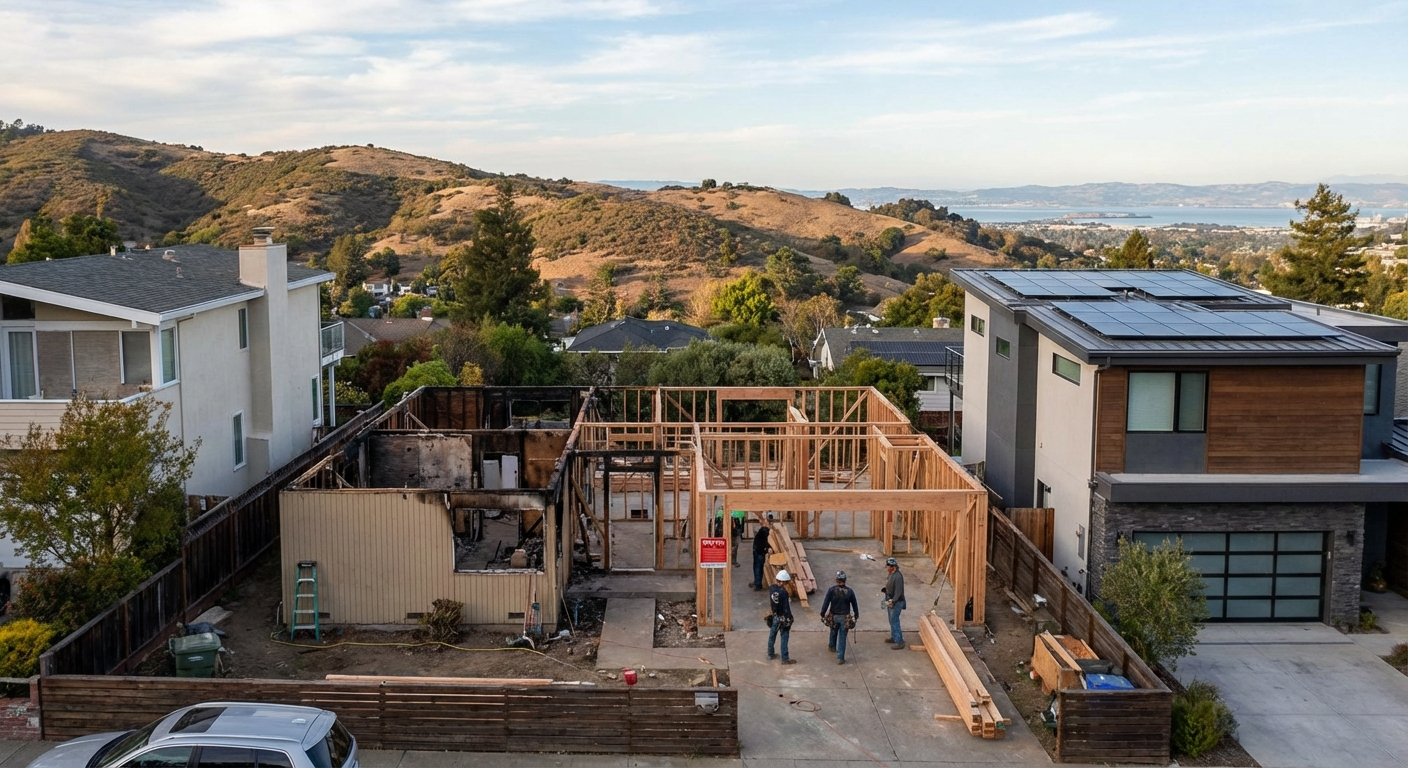
California has been ground zero for some truly devastating wildfires. Because of this, the state and many local jurisdictions — from the Sierra Nevada foothills to the hills of Los Angeles — have enacted specific laws around wildfire preparedness.
The main one is defensible space. State law (Public Resources Code 4291, among others) requires homeowners in high-fire hazard areas to create a 100-foot zone around their homes. This involves clearing away dry vegetation, removing dead trees, and ensuring combustible materials aren’t near your house. Some local ordinances go even further, requiring specific building materials for roofs, vents, and siding — often referred to as “home hardening.”
Why does this matter for your insurance? Because insurers are increasingly looking at your property’s compliance with these ordinances. If your home doesn’t meet the defensible space requirements, or if your local fire department has flagged your property, an insurer might charge you a much higher premium. Or, they might just decline to cover you altogether. It’s not just about safety; it’s about insurability.
The FAIR Plan: A Safety Net, But Not a First Choice
When you can’t find coverage from a standard insurance company, California has a “last resort” option: the California FAIR Plan. FAIR stands for “Fair Access to Insurance Requirements.” It was created by state law to ensure that every homeowner, regardless of their risk profile, can get at least basic fire insurance.
For many homeowners in very high-risk areas, like parts of Malibu or the Valley surrounded by brush, the FAIR Plan might be their only option. But wait — it’s not the same as a regular policy. The FAIR Plan typically offers more limited coverage, mainly for fire and smoke damage. It doesn’t usually include liability, theft, or water damage, which are standard in a typical homeowners policy. You often need to buy a “Difference In Conditions” (DIC) policy from another insurer to fill those gaps.
Which brings up something most people miss: the FAIR Plan is often more expensive. It’s designed to cover the riskiest properties, so its rates reflect that. The number of homes relying on the FAIR Plan has exploded in recent years, putting pressure on the system. It’s a testament to how challenging the market has become for many Californians.
What’s Changing Now? The Future of CA Home Insurance
The good news — if you can call it that — is that California’s Department of Insurance recognizes the current crisis. Insurance Commissioner Ricardo Lara has been working on a new set of regulations aimed at stabilizing the market.
These proposed changes, if implemented, would allow insurers to do a few things they haven’t been able to do easily before:
* **Use Forward-Looking Models:** Instead of relying solely on historical data (like past wildfire losses), insurers could use modern catastrophe models that predict future risks more accurately.
* **Factor in Reinsurance Costs:** Insurers buy their own insurance (called reinsurance) to protect themselves from huge losses. These costs have skyrocketed. New regulations might allow insurers to factor these actual costs into the rates they charge you.
* **Encourage Home Hardening:** The state wants to give insurers incentives to offer discounts to homeowners who invest in wildfire mitigation and home hardening measures.
These changes are designed to encourage insurers to come back to California and start writing more policies. The idea is that if insurers can price their risks more accurately and cover their costs, they’ll be more willing to offer coverage here. It’s a delicate balance, and it’s still unfolding, but it represents a significant shift in how California’s insurance laws might operate moving forward.
Protecting Your Home (and Your Policy) in a Changing State
Given all these moving parts — state laws, local ordinances, and shifting insurer appetites — what can you do?
Honestly, the best defense is a good offense. Take proactive steps to make your home as insurable as possible. If you live in a wildfire-prone area, fully comply with all defensible space ordinances. That means clearing brush, maintaining your property, and considering home hardening upgrades like ember-resistant vents or a non-combustible roof. Get your property inspected by your local fire department; sometimes, a clean bill of health from them can help your insurance application.
It’s also really important to understand that you don’t have to go through this alone. The insurance market in California is complex, often frustrating, and constantly changing. Trying to decipher every new law or find the right policy on your own can feel like a full-time job.
This is where an independent insurance agent like Karl Susman of Best California Home Insurance becomes invaluable. Karl and his team specialize in California home insurance. They understand the nuances of the state’s laws, the local ordinances, and which carriers are still writing policies in your specific area. They work for *you*, not for a single insurance company, meaning they can shop around to find the best fit for your needs and budget.
Ready to see what options are out there? Get a personalized quote today: https://bestcaliforniahomeinsurance.com/quote/.
What If You’ve Been Dropped?
If you’ve received a non-renewal notice, or if you’ve been declined by multiple insurers, it’s easy to feel defeated. So many people are in this exact situation right now, and it’s a tough spot to be in. But please know, there are still paths forward. Best California Home Insurance has experience helping homeowners who’ve been dropped or who live in high-risk areas. Karl Susman (CA License #OB75129) and his team can explore options beyond the standard market, including the FAIR Plan and supplemental policies, ensuring you get the coverage you need.
Don’t let the complexity of California’s insurance laws leave you unprotected. Reach out to Karl Susman at (877) 411-5200. Or, start with a quick online quote to explore your possibilities: https://bestcaliforniahomeinsurance.com/quote/.
Frequently Asked Questions About California Home Insurance Ordinances
Can my insurer drop me if I live in a high-fire area?
Unfortunately, yes. Insurers in California have the right to non-renew policies if they determine the risk is too high or if they’re reducing their overall exposure in certain areas. This is a common reason homeowners in high-fire zones find themselves searching for new coverage.
What is ‘defensible space’ and why does it matter for my insurance?
Defensible space is the area around your home that has been cleared of flammable vegetation and materials to slow or stop the spread of wildfire. California law mandates specific defensible space requirements (often 100 feet) in high-fire hazard areas. Insurers increasingly consider your compliance with these ordinances when deciding whether to offer you a policy and at what price. Non-compliance can lead to higher premiums or even denial of coverage.
Does California law require me to have homeowners insurance?
No, state law doesn’t strictly *require* you to carry homeowners insurance. However, if you have a mortgage, your lender absolutely will. They want to protect their investment in your home, so they’ll mandate that you maintain adequate coverage throughout the life of your loan.
How does Proposition 103 affect my insurance rates?
Proposition 103 requires insurance companies to get approval from the elected Insurance Commissioner before raising rates. This was designed to protect consumers from excessive hikes. However, some argue that this process can be slow, making it difficult for insurers to adjust rates quickly enough to cover rising costs, which has led some carriers to limit or stop writing new policies in California.
What’s the difference between the FAIR Plan and a regular policy?
The California FAIR Plan is a state-mandated “insurer of last resort” for homeowners who can’t find coverage in the standard market, usually due to high risk. It primarily covers fire and smoke damage. A regular homeowners policy, on the other hand, provides much broader coverage, typically including liability, theft, water damage, and additional living expenses, among other protections.
This article is for informational purposes only and does not constitute financial advice.