What You’ll Learn:
- What a vacancy clause is and why it matters for your California home insurance.
- Common situations that can trigger these clauses, from selling to renovating.
- The serious risks of having a vacant home without the right coverage.
- Practical steps to take, including notifying your insurer and exploring special policies.
- Tips for keeping your vacant property safe and secure.
- When to reach out to an experienced insurance professional for guidance.
Understanding the Basics of Home Insurance Vacancy Clauses in California
What is a Vacancy Clause?
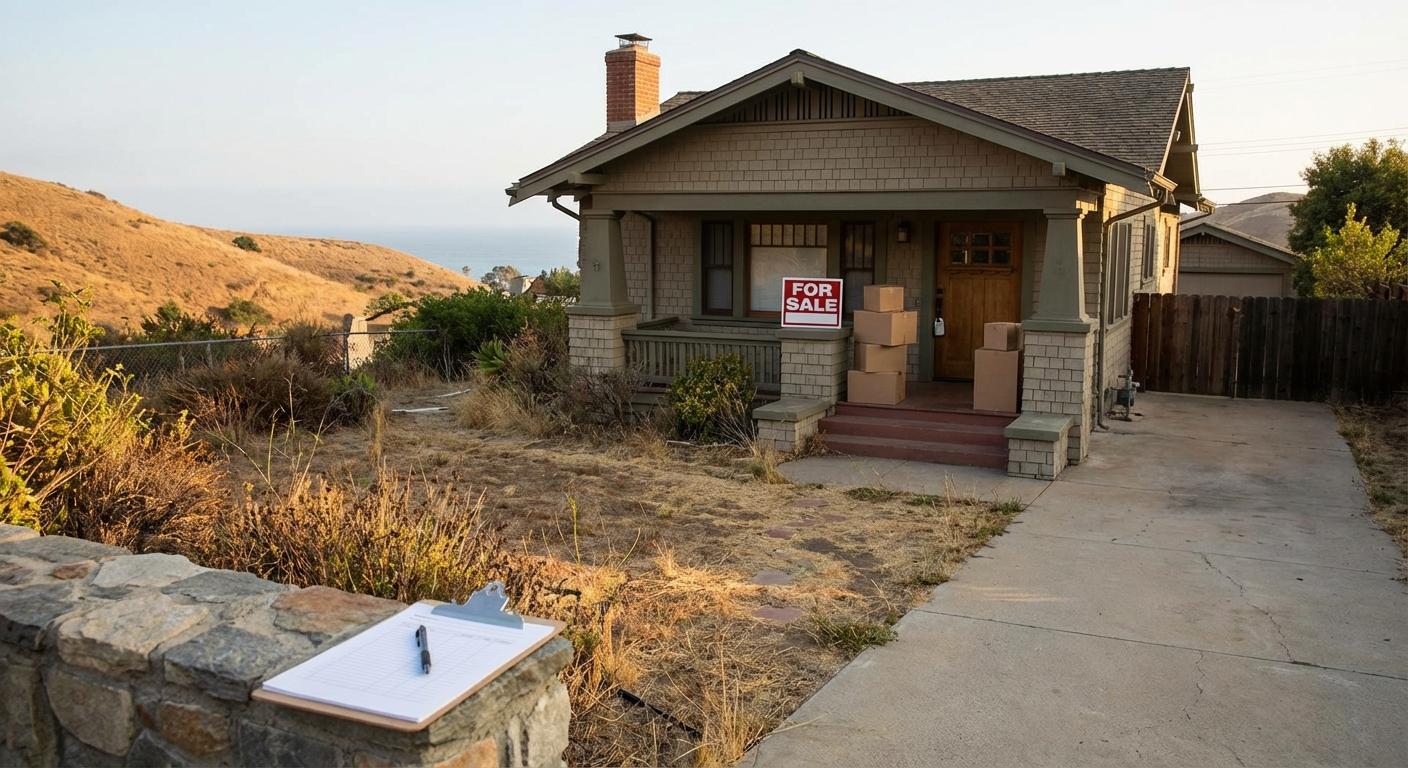
Imagine your house sitting empty for a while. Maybe you’ve moved out but haven’t sold it yet. Perhaps you’re renovating, or it’s a second home you only visit during the summer. For insurance companies, an empty house changes the risk profile significantly. That’s where a “vacancy clause” comes in.
Simply put, this is a standard part of most homeowner policies, including those in California, that limits or even cancels coverage if your home sits vacant for a specific period. This isn’t just about an overnight trip; we’re talking weeks or months. Most policies consider a home “vacant” when it lacks the furniture, personal belongings, and human activity that suggest someone lives there. An unoccupied home, on the other hand, might still have your stuff in it, but you’re just away temporarily. Big difference.

Why Do Insurers Care About Vacancy?
It sounds a bit unfair, doesn’t it? You’re paying your premiums, but if your house is empty, your coverage could disappear. But here’s the thing: an empty house is a much bigger target for problems. Think about it:
- Theft and Vandalism: No one’s home to scare off intruders. An empty house in the Inland Empire or a quiet Ventura County neighborhood is an easy mark.
- Undetected Damage: A burst pipe in the kitchen or a small electrical fire can quickly become a catastrophe if no one’s there to catch it. Imagine the damage from a slow leak going unnoticed for two months.
- Squatters: Unfortunately, this is a real concern in many parts of California, especially in urban areas or properties that look neglected.
- Maintenance Issues: Small problems like a loose roof tile or overgrown landscaping can spiral without regular attention, increasing the risk of bigger claims.
Insurers see these heightened risks and adjust their policies accordingly. Sometimes, they’ll simply deny a claim that happens while the home is vacant beyond the policy’s limit. Other times, they might even cancel your policy altogether if they discover the home has been vacant for too long without proper notification.
Step 1: Knowing Your Policy – The Fine Print Matters
Reading Your Declarations Page
Honestly, most of us don’t pore over our insurance documents. We glance at the declarations page, see the premium, and file it away. But when it comes to vacancy, that’s a mistake. Your declarations page often summarizes key policy limits, but the real details are buried in the policy booklet itself.
You’ll want to look for sections titled “Exclusions,” “Conditions,” or “Vacancy.” If you can’t find it, don’t guess. Pick up the phone and ask your agent or the insurance company directly. It’s far better to ask now than to find out the hard way after a disaster.
Typical Vacancy Limits
For most standard California homeowner policies, the vacancy clause kicks in after 30 or 60 consecutive days. Some policies might stretch it to 90 days, but that’s less common. This isn’t a hard-and-fast rule, though. Every insurer, from State Farm to AAA to Farmers, writes their policies a little differently. What one company considers “vacant” for 30 days, another might define slightly differently, or give you a bit more leeway.
For example, if your policy says 60 days, and your house sits empty for 61 days and then suffers a fire — maybe even one caused by a wildfire like those we’ve seen near the hills of Santa Clarita or in the Sierra foothills — your insurer could deny the claim. That’s a terrifying thought for any homeowner, especially with the rising costs of repairs in California.
Step 2: Common Scenarios That Trigger Vacancy Clauses
Moving Out Before Selling
This is probably the most common scenario. You’ve bought a new place, packed up your belongings, and moved in. But your old house is still on the market. Maybe it’s taking longer to sell than you expected. Every day that house sits empty, you’re ticking closer to that vacancy clause limit. Many Californians, especially those selling in competitive markets or waiting for the right offer in places like the Valley, find themselves in this exact spot.
Inherited Homes and Probate
Dealing with an inherited property is often emotionally draining. Then you add the complexities of probate, estate sales, and finding a buyer. These homes can sit vacant for months, sometimes even a year or more, especially if there are family disputes or legal hurdles. All the while, the standard homeowner policy on that property is likely counting down.
Renovations and Major Repairs
Planning a big remodel? Maybe you’re doing a gut renovation, adding a second story, or rebuilding after a fire or flood. If the work is extensive enough that you have to move out, your home becomes vacant in the eyes of your insurer. Even if you’re there daily supervising, the lack of continuous occupancy is what matters. This is particularly relevant in California, where seismic retrofits or wildfire hardening projects can sometimes require residents to temporarily relocate.
Seasonal Homes and Vacation Properties
For many, a cabin in Lake Tahoe or a beach house in Malibu is a dream. But if you only visit a few months a year, your insurer sees a vacant property for the rest of the time. Standard homeowner policies aren’t designed for this. Often, these properties need special “secondary home” or “vacant home” policies from the start, which typically have different terms and rates.
Rental Properties Between Tenants
Landlords know the pain of a vacant rental. One tenant moves out, and it takes weeks or months to clean, repair, and find a new one. During that interim, your landlord policy might not cover certain damages if the vacancy clause kicks in. Rental properties in places like Sacramento or parts of Orange County can sometimes sit empty longer than expected, making this a real concern for investors.
Step 3: The Risks of an Uncovered Vacant Home
Denied Claims – The Big One
This is the nightmare scenario. A pipe bursts, a fire starts, or someone breaks in and strips the copper wiring. You file a claim, expecting your insurance to cover the damage. But then you get the letter: “Claim Denied due to Vacancy Clause.” Suddenly, you’re on the hook for tens, even hundreds of thousands of dollars in repairs. It’s a financial hit that can ruin a family’s savings or even force a sale.
Increased Exposure to Damage
It’s not just about the claim denial. An empty house is simply more likely to suffer damage. A small leak could become a massive mold problem. A minor electrical issue could spark a devastating fire. The chance of a break-in or vandalism goes way up. If you’re relying on a standard policy that’s about to be voided by a vacancy clause, you’re essentially self-insuring against these very real dangers.
Legal and Financial Headaches
Beyond the direct damage, an uninsured vacant property can lead to other problems. What if a trespasser is injured on your property? What if the vacant home becomes a nuisance in the neighborhood, leading to fines or legal action from the city? Without liability coverage, you’re exposed to costly lawsuits. The financial strain of repairs combined with potential legal battles can be overwhelming.
Step 4: Solutions and Strategies for Insuring Vacant California Homes
Notifying Your Insurer – Don’t Skip This
This is the absolute first step. As soon as you know your home will be vacant for more than a few weeks, call your insurance agent. Don’t wait until it’s too late. Honesty is the best policy here. Explain your situation: “I’ve moved out, and the house is for sale,” or “We’re doing a major renovation and won’t be living there for three months.”
Your insurer might offer solutions, or they might tell you your current policy isn’t enough. Either way, you’ll know where you stand. And remember, if you don’t tell them, and they find out later, it can be grounds for denying a claim or even canceling your policy.
Vacancy Endorsements
Sometimes, your current insurer will offer a “vacancy endorsement” or “extended vacancy coverage.” This is an add-on to your existing policy that extends the period your home can be vacant while still maintaining coverage. It’s usually for a limited time, maybe an extra 30 or 60 days, and it will likely cost a bit more. But it’s often cheaper and simpler than buying a whole new policy. Not all insurers offer this, though.
Specialized Vacant Home Policies
If your home will be vacant for an extended period – say, more than a few months – a specialized vacant home insurance policy is often the best option. These policies are designed specifically for the unique risks of empty properties. They usually cover perils like fire, wind, hail, vandalism, and liability. They might cost more than a standard homeowner policy, but they provide the peace of mind you need. Many insurers, including those that operate in California, offer these specific products.
If you’re looking for guidance, an independent agent like Karl Susman at Best California Home Insurance (CA License #OB75129) can help you explore these options. They often work with multiple carriers and can find a policy that fits your specific needs.
The California FAIR Plan – A Last Resort?
For some California homeowners, especially those in high-wildfire risk areas where traditional insurers are pulling back, the California FAIR Plan is a familiar name. It’s a state-mandated program that provides basic property insurance when it’s not available in the voluntary market. But wait — it’s not a full homeowner policy. The FAIR Plan typically only covers fire and related perils. It doesn’t usually include liability, theft, or water damage coverage unless you buy a separate “Difference in Conditions” (DIC) policy.
Can the FAIR Plan cover a vacant home? Yes, it can, but with limitations. You’d still need to explore if it meets your needs for a vacant property, and you’d absolutely want to pair it with a DIC policy for broader protection. It’s often a last resort, not a first choice, especially for vacant properties, due to its limited scope.
Step 5: Practical Tips for Minimizing Risk While Vacant
Regular Property Checks
Even with the right insurance, you want to prevent problems. Arrange for someone – a trusted neighbor, friend, or property manager – to check on your home regularly. Weekly visits are ideal. They can look for signs of forced entry, water leaks, or other issues. This is especially important in areas prone to extreme weather, like the desert communities where monsoons can cause flash flooding or coastal regions with heavy winter rains.
Security Measures
Make your vacant home less appealing to potential intruders. Install motion-sensor lights, security cameras, and a monitored alarm system. Make sure all doors and windows are locked and secured. Consider boarding up ground-level windows if the vacancy will be very long-term or the area is high-risk. Simply making the house look lived-in can help too – put lights on timers, have mail collected, and keep the yard maintained.
Utility Management
During colder months, especially in mountain communities like Big Bear or the Sierras, keep the heat on low to prevent pipes from freezing and bursting. In all seasons, consider turning off the main water supply to prevent catastrophic leaks, especially if no one is checking the property daily. If you’re doing a full renovation, you might even turn off electricity to certain circuits or the whole house, but discuss this with your contractor and insurer.
Maintaining the Exterior
An unkempt yard is a sign that no one’s home. Keep the lawn mowed, hedges trimmed, and leaves raked. If you’re in a wildfire-prone area, maintaining defensible space is even more critical. Remove dead vegetation and keep gutters clear. A well-maintained exterior deters criminals and also reduces the risk of certain types of property damage.
Step 6: When to Talk to an Expert
The Value of an Independent Agent
Navigating home insurance, especially with the complexities of vacancy clauses in California’s unique market, can be daunting. This isn’t a DIY project. An independent insurance agent doesn’t work for one specific company; they work for you. They can compare policies from multiple insurers, explain the fine print, and help you find the best coverage for your specific situation.
They understand the nuances of the California market – the impact of Prop 103, the challenges with wildfire risk, and the ever-changing availability of coverage. For example, finding coverage for a vacant home in a high-risk area near where the 2025 LA fires might rage (hypothetically, of course) takes a specialized touch.
Karl Susman and Best California Home Insurance
If you’re in California and dealing with a vacant property, or just have questions about your homeowner’s policy, talking to an experienced professional is smart. Karl Susman, with Best California Home Insurance (CA License #OB75129), has helped countless Californians understand their options. He can walk you through the specifics of vacancy clauses, help you find appropriate endorsements, or guide you to a specialized vacant home policy.
Don’t leave your biggest asset exposed. A quick conversation can save you immense stress and financial hardship down the road. If you’re ready to explore your options or just need some clarity, reach out.
You can start by getting a personalized quote right now: Get Your California Home Insurance Quote
Frequently Asked Questions About Vacancy Clauses
What’s the difference between “vacant” and “unoccupied”?
It’s a subtle but important distinction. A home is generally considered “vacant” when it’s empty of both people and most personal property – basically, it looks like no one lives there. An “unoccupied” home still contains your belongings, and you intend to return, but you’re just away temporarily, like on an extended vacation. Vacancy clauses typically apply to truly vacant homes, not just unoccupied ones, but always check your specific policy language.
Does my standard homeowner policy cover any vacancy at all?
Yes, usually. Most standard California homeowner policies allow for a certain period of vacancy, typically 30 or 60 days, before the vacancy clause kicks in and coverage is limited or voided. It’s that period beyond the initial allowance that becomes the problem.
What if I’m having work done on my house and it’s vacant? Does my contractor’s insurance cover it?
Your contractor’s insurance primarily covers their work, their equipment, and their liability for accidents they cause. It won’t cover your home itself against perils like fire, vandalism, or a burst pipe while it’s vacant. You absolutely need your own property insurance in place, possibly with a vacancy endorsement or specialized policy, during major renovations that require you to move out.
Will my premium go up if I tell my insurer my home will be vacant?
The short answer is yes. The real answer is more complicated. If your insurer offers an extended vacancy endorsement, you’ll likely pay an additional premium for that added coverage. If you need a specialized vacant home policy, it will generally cost more than a standard homeowner policy because the risk is higher. However, this increased cost is almost always far less than the financial devastation of a denied claim.
For personalized advice and to ensure your California home is properly protected, connect with an expert today:
Get Your California Home Insurance Quote
This article is for informational purposes only and does not constitute financial advice.