The Unexpected Threat Beyond Your Front Door
The Millers, a busy family living in Santa Clarita, thought they had their bases covered. Their home insurance policy with State Farm was solid, protecting their Spanish-style stucco house from fires — a real worry in that part of Ventura County — and the occasional plumbing disaster. They had good coverage for their belongings, even Mrs. Miller’s grandmother’s antique dresser. Everything seemed fine. Until the letter arrived.
It wasn’t a bill. It wasn’t about a claim. Instead, it was from a medical office they’d visited a year prior, tucked away in an industrial park off the 14 freeway. The letter explained, in rather bland corporate language, that their patient data had been exposed in a cyberattack. Social Security numbers, birthdates, addresses, even some medical billing codes — all potentially out in the wild.
Mr. Miller felt a cold dread. He’d always thought about his home as a physical space. A fortress. But what about his digital identity? That’s where the real headache began. Within weeks, fraudulent credit cards popped up, a loan application was denied because of a mysterious new debt, and suddenly, the Millers were spending hours on the phone, trying to untangle a digital mess. Their home insurance, they quickly learned, didn’t exactly have a specific line item for “digital fortress breach.” Or did it? This is where many California homeowners find themselves scratching their heads.
Why Identity Theft is a California Problem
California, with its massive population and digital economy, is a prime target for identity thieves. Think about it: millions of people, constant data flowing, big tech companies, bustling financial districts from San Francisco to San Diego. Every time you sign up for a new app, visit a doctor in the Inland Empire, or even register for a community event in the Valley, your personal information is out there.
Honestly, it’s not just about guarding your credit card numbers anymore. Scammers are after your Social Security number to open new lines of credit, file fake tax returns, or even steal your medical benefits. They’re good at it. They’re patient. And they’re not just hacking into big corporations. Sometimes, it’s a small local business, like the Millers’ medical office, with weaker security.
Here’s where it gets interesting. While your standard homeowners policy primarily protects your physical dwelling and possessions, many insurers today offer an add-on, often called “identity theft protection” or “identity fraud expense coverage.” This isn’t just some fancy extra; it’s becoming pretty essential. Especially when you consider how long it takes to recover from identity theft. People spend hundreds of hours, sometimes years, fixing the damage.

What Home Insurance Identity Theft Protection Actually Does
If you’re picturing your insurer sending out a digital SWAT team, that’s not quite it. Identity theft protection through your home insurance typically doesn’t prevent the theft itself. Instead, it helps you put your life back together *after* it happens. Think of it as a recovery kit.
Most policies offering this coverage help with the expenses you rack up trying to restore your identity. What kind of expenses? Things like attorney fees for filing legal documents or disputing fraudulent accounts. It might also cover the cost of certified mail or notarizing affidavits. Some policies even offer lost wages if you have to take time off work to resolve the mess. The maximum coverage amount can vary wildly, from $15,000 to $50,000, sometimes even more.
But wait — it often comes with a service component, too. Many insurers partner with identity restoration firms. These aren’t just call centers; they’re specialists who can act on your behalf, contacting credit bureaus, banks, and government agencies. They know the rules. They know the paperwork. They understand the endless loops you can get caught in. This expert help can be a lifesaver when you’re feeling overwhelmed and frustrated.
Is It an Add-On or Standard?
That’s a question for your specific policy. Some insurers, like AAA or Farmers, might include a basic level of identity theft coverage as a standard feature in their higher-tier homeowners policies. Others offer it as an optional endorsement you can add for a relatively small annual premium — sometimes as little as $25 to $50 a year. Compared to the potential cost and time sink of dealing with identity theft alone, that’s a pretty good deal.
However, if you’re with the California FAIR Plan — maybe you live in a high-fire risk area and can’t find traditional coverage — you’ll likely find this type of protection isn’t included. The FAIR Plan is designed as a last resort, covering basic perils like fire. It doesn’t usually extend to personal liability extras or niche coverages like identity theft. So, if you’re on a FAIR Plan, you’ll need to look elsewhere for this kind of protection.
Choosing the Right Protection for Your California Home
So, how do you figure out if you need this, and what kind of coverage makes sense? First, pull out your current home insurance policy. Look for terms like “identity fraud expense,” “identity theft endorsement,” or “personal data compromise.” If you don’t see anything, it’s time for a conversation with your agent.
For most California homeowners, adding identity theft protection is a smart move. Consider the Millers. They had to take unpaid time off work. They paid for legal advice. They spent weeks on the phone. All that piled up fast. If they’d had this coverage, much of that financial and emotional strain would’ve been eased.
Which brings up something most people miss. Not all identity theft coverage is the same. Some policies only cover expenses, while others also include monitoring services that alert you to suspicious activity. Think credit monitoring, dark web monitoring, and social media monitoring. While these aren’t part of the insurance payout, they’re often bundled with the restoration services. It’s like having an early warning system.
When you’re trying to make sense of all this, especially with the ever-changing insurance market in California — premiums jumped 40% between 2022 and 2024 for many policies, partly due to wildfire risks and reinsurance costs — it helps to talk to someone who lives and breathes this stuff. Karl Susman, from Best California Home Insurance, has been helping Californians protect their homes and their peace of mind for years. He understands the unique challenges of the California market, from the shifting policies of major carriers like Farmers and CSAA to the nuances of Prop 103. His agency, CA License #OB75129, at (877) 411-5200, can walk you through the options. He can help you understand if the identity theft coverage offered by your current carrier is enough, or if you should consider other options.
Want to see how adding identity theft protection might fit into your overall home insurance plan? It’s a good idea to get a fresh perspective on your options.
Click here to get a personalized home insurance quote for your California home.
Beyond the Policy: Your Personal Shield
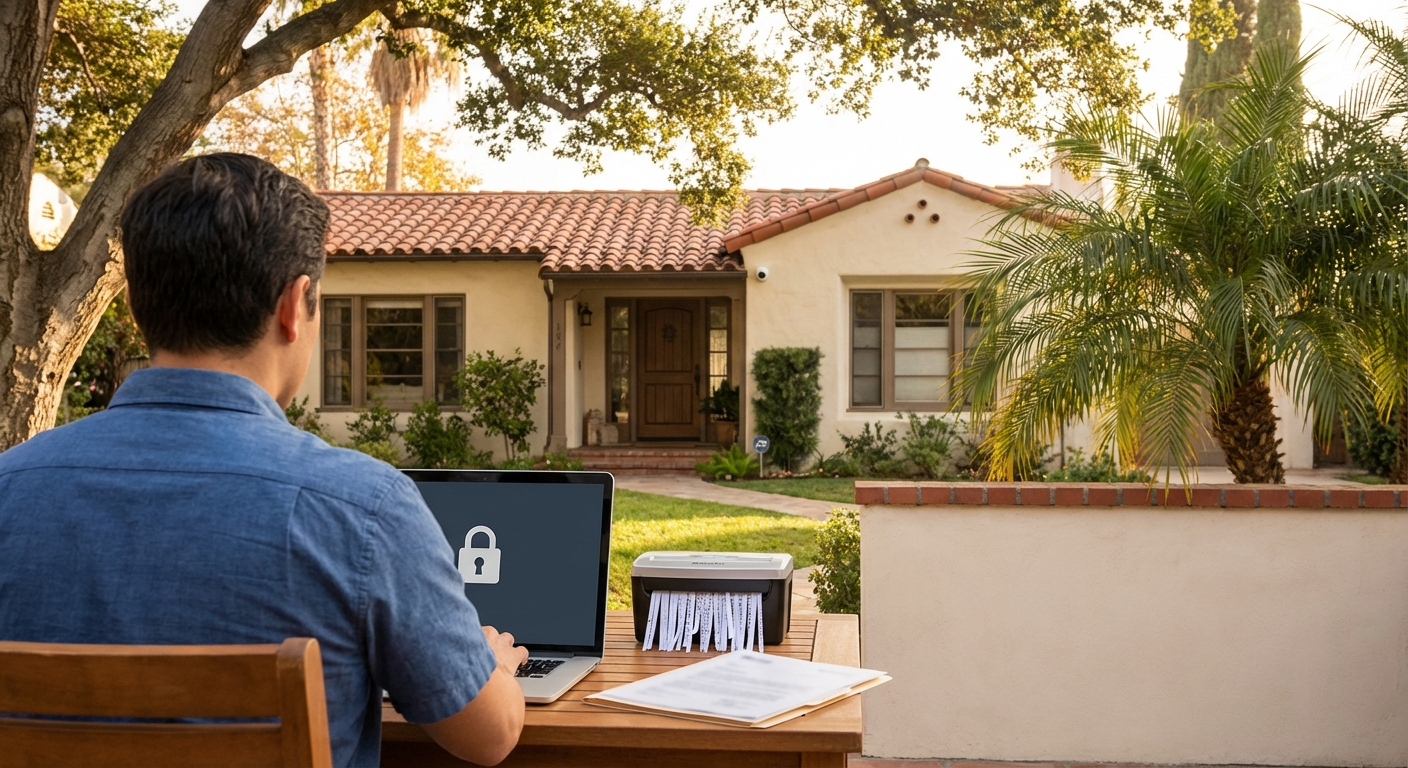
While insurance provides a safety net, it’s only one part of the picture. You’ve got to play defense, too. Strong passwords, two-factor authentication on your accounts, and regularly checking your credit report are simple, free steps everyone should take. Don’t click on suspicious links in emails. Shred documents with personal info before tossing them. These aren’t groundbreaking ideas, but they make a big difference.
The Millers learned this the hard way. They were diligent about locking their doors, but they hadn’t thought about locking down their digital lives. Their experience was a wake-up call, not just for them, but for their neighbors in Santa Clarita and across the state. Identity theft isn’t an “if,” it’s often a “when.” Having a plan, and the right insurance coverage, means you won’t face it alone.
Think about it: your home is likely your biggest asset. It’s also where your family lives, where memories are made. Protecting that includes protecting the identities that call it home.
Ready to explore home insurance policies that include identity theft protection? Find out what options are available for your California home.
Get your California home insurance quote today!
Frequently Asked Questions About Home Insurance Identity Theft Protection
Does my standard California home insurance policy automatically include identity theft protection?
Not always. While some higher-tier policies might include basic coverage, many require you to add it as an endorsement or separate rider for an extra cost. It’s best to check your specific policy documents or speak with an agent like Karl Susman at Best California Home Insurance (CA License #OB75129).
What’s the difference between identity theft insurance and identity monitoring services?
Identity theft insurance, often called “identity fraud expense coverage,” helps cover the costs of restoring your identity after a theft, like legal fees or lost wages. Identity monitoring services, on the other hand, actively watch for suspicious activity related to your personal information (credit, dark web, etc.) and alert you if something looks wrong. Many insurance policies that offer identity theft protection will bundle in restoration services, and sometimes monitoring, but it’s not always a given.
How much does adding identity theft protection to my home insurance typically cost in California?
The cost can vary depending on your insurer and the level of coverage. Often, it’s a relatively small annual fee, sometimes as low as $25 to $50 per year. It’s a small expense for the potential peace of mind and financial protection it offers.
Can I get identity theft protection if my home is insured through the California FAIR Plan?
Generally, no. The California FAIR Plan provides basic fire insurance for properties in high-risk areas that can’t get coverage from traditional insurers. It’s a bare-bones policy and doesn’t typically include extra coverages like identity theft protection. If you’re on a FAIR Plan, you’d need to seek out standalone identity theft protection from another provider.
This article is for informational purposes only and does not constitute financial advice.