The Wet Surprise: When Your California Home Gets Drenched
Sarah and Mark had just moved into their charming 1970s ranch house in Riverside. They loved the big yard, the established trees, and the quiet cul-de-sac. Sure, the kitchen needed an update, but that was a project for next year. They’d barely unpacked the last box when, one Tuesday morning, Sarah walked into the kitchen to a sickening squish. Water. Everywhere. It was a slow, steady stream from under the kitchen sink, a burst pipe silently declaring war on their brand-new life.
Panic set in. Mark rushed to turn off the main water supply, but the damage was done. The laminate flooring buckled. Cabinets were soaked. The drywall was visibly weeping. Their minds raced to the same place: “It’s okay, we have home insurance, right?” The short answer is yes. The real answer, especially here in California, is often more complicated.
When Water Damage Is (Usually) Covered
Most standard home insurance policies – the ones from State Farm, AAA, Farmers, or others – do cover sudden and accidental water damage. Think of Sarah and Mark’s burst pipe. That’s sudden. That’s accidental. Generally, a policy would pay to tear out the damaged parts of their kitchen, dry everything out, and replace the floor and cabinets. This is called “direct physical loss.”
But here’s the thing. Not all water damage is created equal in the eyes of an insurer. The policy wording matters more than you’d think.
The Devil in the Details: Sudden vs. Slow Leaks
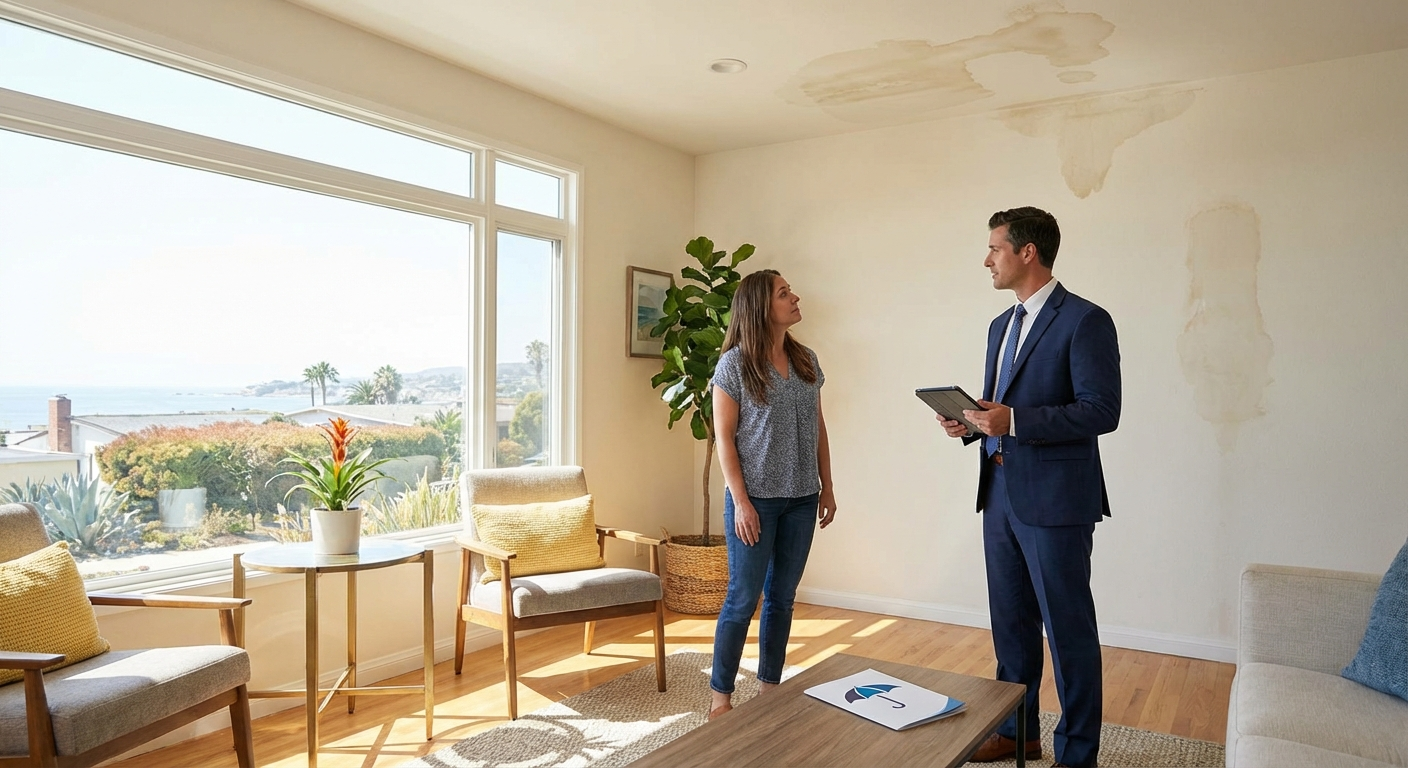
Imagine if Sarah hadn’t found that leak right away. What if it had been a tiny drip, slowly rotting the wood under the sink for months? That’s where things get tricky.
Insurers typically draw a hard line between *sudden and accidental* damage and *gradual* damage. A burst pipe? Yes, that’s sudden. A water heater that suddenly ruptures? Yes. But a slow, undetected leak from a shower pan or a leaky roof that’s been seeping for ages, causing mold and rot over time? Often, that’s not covered.
Why not? Because insurers expect you, the homeowner, to maintain your property. They see gradual damage as something preventable, something you should have noticed and fixed. It’s a tough pill to swallow when you discover a hidden problem, but it’s a standard exclusion in most policies. This is a big reason why older homes, particularly in places like Ventura County or parts of the Inland Empire, can be a headache. Old pipes, old roofs – they tend to develop these slow, insidious problems.
The Big Difference: Flood Insurance vs. Water Damage
This is probably the biggest misconception out there. Many Californians assume their home insurance covers everything if water gets into their house. It doesn’t.
Standard home insurance policies *never* cover damage from floods. Never. That includes rising water from heavy rains, overflowing rivers like the Sacramento, or even mudslides that follow our intense wildfire seasons – a real concern for homes nestled in the foothills of the Santa Monica Mountains or near the burn scars of the 2025 LA fires.
For flood coverage, you need a separate policy, usually through the National Flood Insurance Program (NFIP). Some private insurers offer it too, but it’s always a distinct purchase. If Mark and Sarah’s home had been swamped by a river overflowing its banks, their standard policy wouldn’t have paid a dime. Big difference.

Sewer Backup and Sump Pump Overflow: An Extra Layer
Remember Mark’s neighbor down the street, Mr. Henderson? He had a different kind of water problem. One rainy winter, his toilet backed up, flooding his bathroom with sewage. Gross. He assumed his home insurance would cover it. And it probably would have… if he’d bought the specific “Sewer Backup and Sump Pump Overflow” endorsement.
Most basic policies exclude damage from sewer or drain backups, or water overflowing from a sump pump. It’s an add-on, an extra layer of protection you have to specifically request and pay for. For homes with basements or in areas with older sewer systems, like some of the more established neighborhoods in the Bay Area or even parts of the Valley, this coverage is almost essential. You don’t want to be caught without it.
Maintenance, Neglect, and What Insurers Expect
Insurance is there for accidents. It’s not a home repair fund. If your roof has been leaking for years and you never bothered to fix it, and then a major storm finally collapses part of your ceiling, your insurer will likely deny the claim, citing neglect.
They’re looking for evidence that you’ve kept your property in reasonable shape. This means fixing obvious leaks, cleaning gutters, and generally addressing wear and tear before it turns into a catastrophe. It’s a common point of friction between homeowners and insurers, but it’s part of the deal.
The California Insurance Maze: Finding Help
Right now, getting home insurance in California feels like trying to solve a Rubik’s Cube blindfolded. Major players like State Farm and Farmers have pulled back, limiting new policies. AAA has tightened its rules. This leaves many homeowners, especially those in high-risk fire areas, scrambling.
That’s where someone like Karl Susman comes in. As an independent agent with Best California Home Insurance (CA License #OB75129), he doesn’t work for just one company. He works for you. He can shop around, looking at dozens of different insurers to find a policy that fits your specific needs and budget – including making sure you have the right water damage coverage for your older home or the sewer backup endorsement you didn’t even know you needed.
When the traditional market is tough, you might find yourself looking at the California FAIR Plan. It’s an insurer of last resort, a state-mandated program that provides basic fire coverage when you can’t get it anywhere else. But FAIR Plan policies are usually bare-bones. You’ll almost certainly need to buy a separate “Difference in Conditions” (DIC) policy from another insurer to get coverage for things like water damage, liability, and theft. It adds complexity and cost, but it’s often the only option for some properties.
Prop 103, passed back in 1988, gives the state insurance commissioner power over rates, which has helped keep premiums lower than they might otherwise be. But it also means insurers sometimes find it harder to make a profit here, contributing to their reluctance to write new policies or offer certain coverages. It’s a constant balancing act.
What to Do When the Water Hits
If you find yourself in Sarah and Mark’s shoes, with water gushing where it shouldn’t be, here’s the drill:
1. Stop the Source: Turn off the water main immediately.
2. Safety First: If there’s electrical equipment involved, be extremely careful. Don’t wade into standing water if you suspect live wires.
3. Document Everything: Take photos and videos of the damage *before* you start cleaning up.
4. Mitigate Further Damage: Remove wet items, set up fans, and open windows if safe. Don’t let mold set in.
5. Call Your Agent: Contact Karl Susman or your insurance company as soon as possible to file a claim.
Having a clear understanding of your policy *before* disaster strikes can save you a world of hurt and confusion. Don’t wait until you’re standing in an inch of water to figure out what’s covered.
If you’re unsure about your current water damage coverage, or if you’re struggling to find good home insurance in California, it’s time to talk to an expert. Karl Susman and his team at Best California Home Insurance can help. They’ve seen it all, and they know the ins and outs of the California market. They can help you get a policy that truly protects your home – and your peace of mind.
Ready to check your coverage? Get a personalized quote: https://bestcaliforniahomeinsurance.com/quote/
Frequently Asked Questions About Water Damage Coverage in California
Will my home insurance cover damage from a leaky pipe?
It depends. If the pipe bursts suddenly and causes immediate damage, it’s usually covered. However, if it’s a slow leak that’s been happening for a while and caused gradual damage like rot or mold, your policy might not cover it, as insurers often consider this a maintenance issue.
Is mold damage covered by my California home insurance?
Generally, mold damage is covered if it resulted from a covered peril, like a sudden burst pipe. But if the mold developed due to long-term neglect, such as a persistent, unaddressed leak, it’s often excluded. Some policies have specific limits on mold remediation costs, so always check your declarations page.
Do I need separate flood insurance in California?
Yes, absolutely. Standard home insurance policies in California (and anywhere else) do not cover flood damage. This includes damage from overflowing rivers, heavy rainfall causing rising water, or mudslides. You’ll need a separate flood insurance policy, typically through the National Flood Insurance Program (NFIP).
What about water damage from a sewer backup?
Most standard home insurance policies exclude damage from sewer or drain backups, or sump pump overflows. You usually need to purchase a specific endorsement or add-on coverage to your policy to be protected against these types of incidents. It’s a smart addition for many California homes.
How can I find the best water damage coverage for my home in California?
The best way is to work with an independent insurance agent like Karl Susman at Best California Home Insurance (CA License #OB75129). They can compare policies from multiple insurers, explain the nuances of different coverages and exclusions, and help you tailor a policy that truly meets your specific needs and risks in the California market.
Don’t let water be a constant worry. Understand your options and get the right protection for your home.
Get a personalized quote and protect your investment: https://bestcaliforniahomeinsurance.com/quote/
This article is for informational purposes only and does not constitute financial advice.