
Your California Second Home: Why Insurance Isn’t Just “More of the Same”
So, you’ve got a second home in California. Maybe it’s a cozy cabin up in Big Bear, a beach house in Ventura County, or a desert escape near Palm Springs. It’s a place for weekends, holidays, maybe even a future retirement. You probably think, “I’ve got insurance on my primary home, this can’t be *that* different.” The short answer is yes, it’s different. The real answer is much more complicated, especially in California.
For most California homeowners, just getting decent insurance on their *main* house feels like an uphill battle these days. Insuring a second home? That’s another level of challenge entirely. Carriers see these properties as higher risk, and honestly, they’ve got some good reasons.
Why Second Homes Are a Different Ballgame for Insurers
Think about your primary residence. You’re there most of the time. You notice a leaky pipe pretty quick. You might spot a suspicious car cruising the street. Your second home? Not so much.
It sits empty for stretches. Sometimes weeks, sometimes months. That vacancy is a big red flag for insurance companies. An unattended property is more prone to burglary, vandalism, or even a small water leak turning into a catastrophic mold problem before anyone notices. Fires can spread unchecked. A tree might fall, and you wouldn’t know until your next visit.
This increased risk translates directly to higher premiums. Sometimes, it means fewer carriers willing to offer coverage at all.
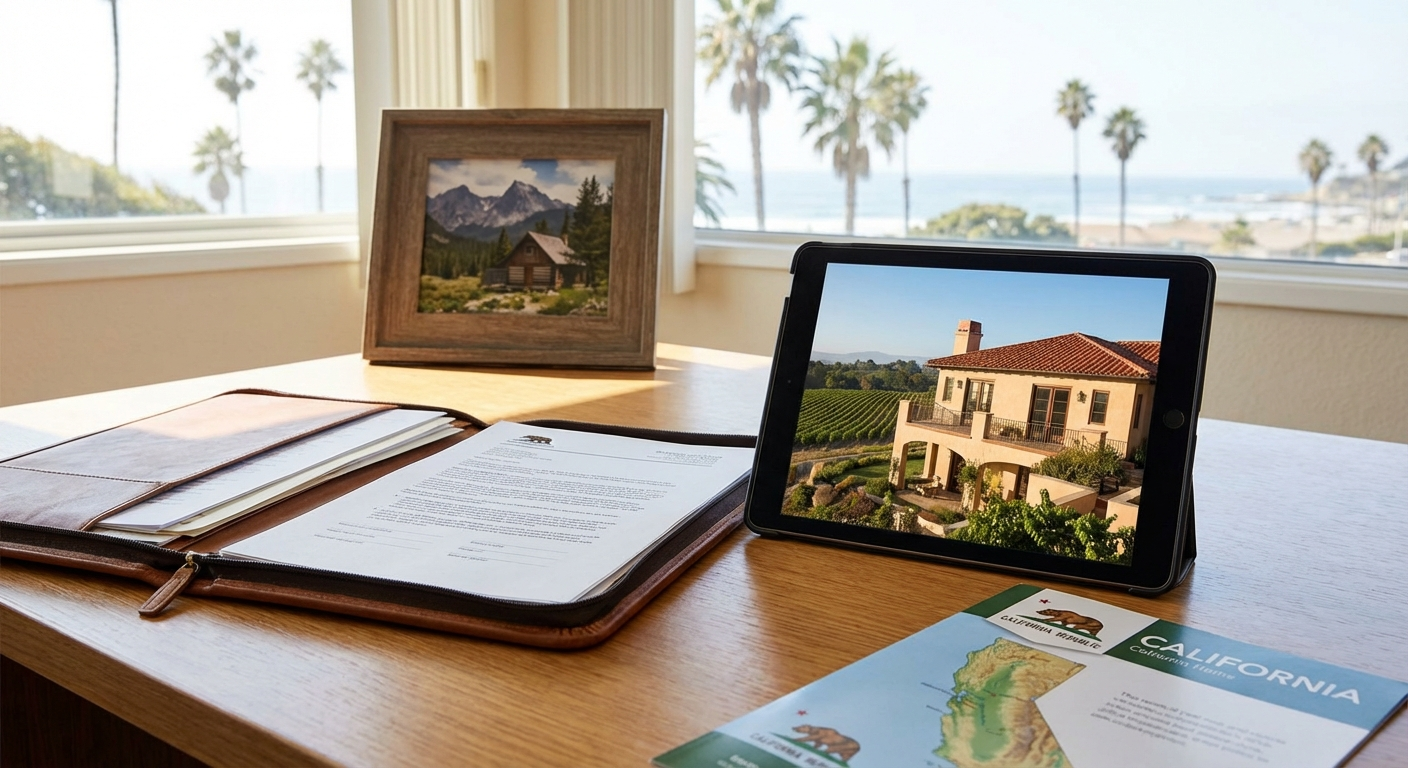
The California Effect: Wildfires, Earthquakes, and a Shrinking Market
Let’s talk about California. It’s beautiful, but it’s also a state of extremes. Wildfires are a constant, terrifying threat, especially in places like Napa, Sonoma, the foothills of the Sierra Nevada, and even parts of the Inland Empire. Insurers like State Farm, Farmers, and AAA have either pulled back significantly or stopped writing new policies altogether in many high-risk areas. This isn’t just for primary homes; it hits second homes even harder.
Then there are earthquakes. We live on a fault line, after all. Standard homeowners insurance, whether for a primary or second home, *never* covers earthquake damage. Never. You need a separate policy for that. If your second home is in an earthquake-prone area — which, let’s be honest, is most of California — you really ought to consider it.
Which brings up something most people miss. When carriers limit their exposure, the remaining options often get more expensive. Or you end up in the California FAIR Plan, which is essentially the state’s insurer of last resort. It’s better than nothing, but it’s often more expensive, offers less coverage, and doesn’t include liability, which you’d have to buy separately. Not ideal for a place you’re trying to enjoy.
What Your Second Home Policy Absolutely Needs
Just like your main home, a second home policy needs a few core components. Don’t skimp here.
Dwelling Coverage
This covers the structure itself – the walls, roof, foundation. You’ll want enough to rebuild the home completely if it’s destroyed. Construction costs in California are through the roof, so make sure your coverage keeps pace.
Other Structures
Think detached garages, sheds, fences, gazebos. These usually get a percentage of your dwelling coverage.
Personal Property
This covers your belongings inside the home – furniture, appliances, clothes. Here’s where it gets interesting. For a second home, you might not have as much high-value stuff as your primary residence. But you still have plenty. Make sure the coverage amount reflects what’s actually there. If you only visit a few times a year, you might not notice items missing right away.
Loss of Use
This covers additional living expenses if your home becomes uninhabitable due to a covered loss. For a primary home, it’s a lifesaver. For a second home? It’s less common to claim this, since you have another place to live. Still, it’s often included, and it can cover things like rental income loss if you rent out your second home.
Liability Coverage
This is huge. If someone gets hurt on your property – a guest, a delivery person, even a trespasser – you could be on the hook for medical bills and legal fees. Imagine a friend slipping on a wet deck or a neighbor’s kid falling off a swing set in your yard. Liability protects you from those lawsuits. For a second home, especially one you don’t visit often, this protection is absolutely essential.
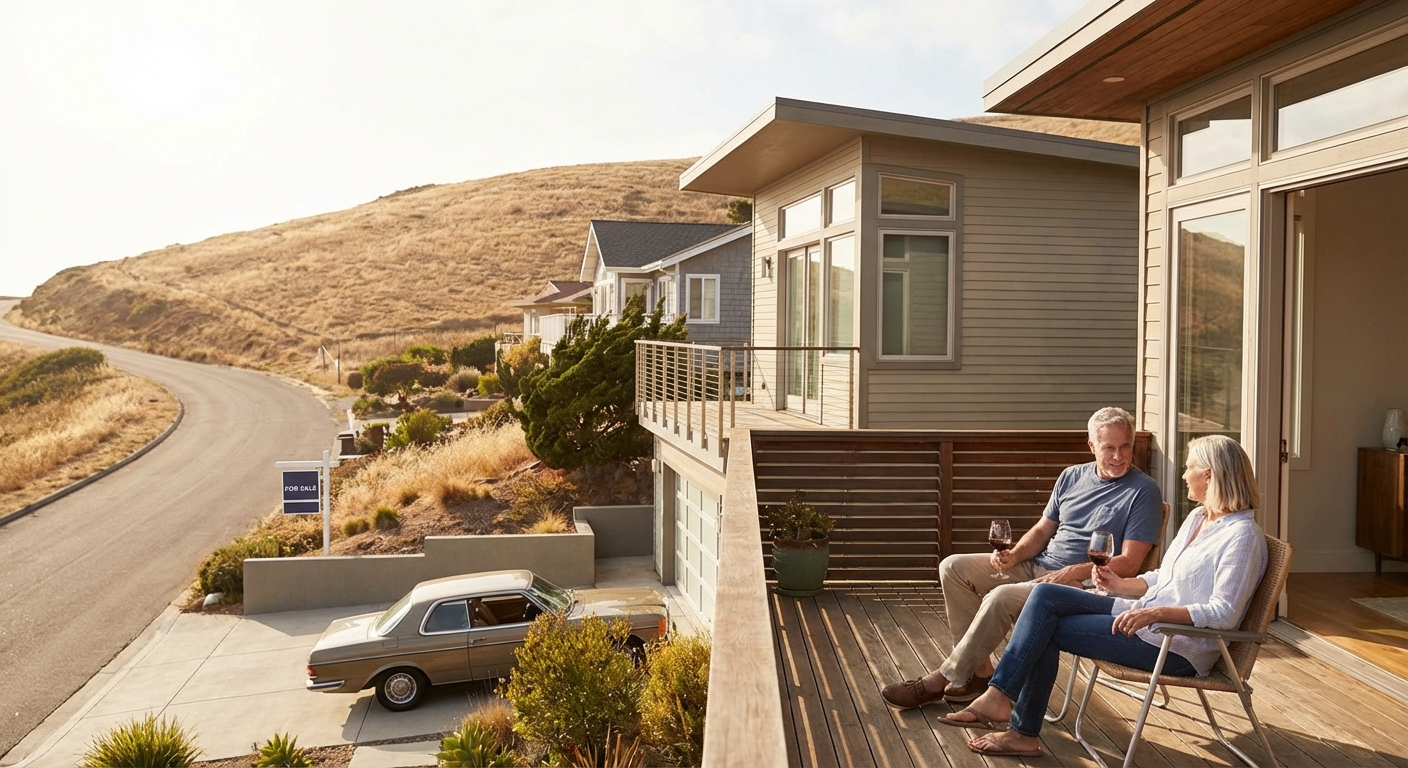
Factors That Drive Your Premium Up (or Down)
A few things really push second home insurance costs around.
* **Location, Location, Location:** This is the biggest one. Is your home in a high wildfire zone? Close to the coast? In a flood plain? These geographical risks dictate a lot. A cabin in the San Bernardino Mountains will have a very different premium profile than a condo in downtown San Diego.
* **Vacancy:** How often is the home empty? If it’s vacant for more than 30-60 days at a time, some policies might even have specific exclusions or require special endorsements.
* **Rental Intentions:** Do you rent it out on Airbnb or VRBO? That’s a commercial activity, and standard homeowners insurance won’t cover it. You’ll need a specific short-term rental policy, which is a whole other conversation. If you rent it long-term, you’ll need a landlord policy. Be honest with your agent about this. Misrepresenting your usage could lead to a denied claim.
* **Age and Condition of the Home:** Older homes, especially those with outdated wiring or plumbing, cost more to insure. Newer, well-maintained homes with modern systems usually get better rates.
* **Security Features:** Alarm systems, smart home tech, even good exterior lighting can sometimes earn you a discount. Every little bit helps.
Strategies for Getting Your Second Home Covered
It’s not all doom and gloom. There are ways to approach this.
First, don’t assume your primary home insurer will automatically cover your second home. Some do, some don’t, and some will only do it if it’s within a certain distance of your main residence.
Second, consider what you can do to mitigate risk. If you’re in a wildfire area, maintain defensible space. Clear brush. Keep gutters clean. Install a security system with remote monitoring. Even having a trusted neighbor check on the place regularly can help.
Third, look at your deductibles. A higher deductible means you pay more out-of-pocket if there’s a claim, but it can lower your annual premium. It’s a balancing act.
But here’s the thing. The best strategy? Work with an independent insurance agent. Someone who knows the California market inside and out. An agent like Karl Susman at Best California Home Insurance isn’t tied to one carrier. They can shop around with multiple companies to find you the best fit – and the best price – for your specific second home situation. They know which carriers are still writing policies in your area and what their appetite for risk is.
Honestly, with the way the California insurance market is right now, trying to figure this out on your own is like trying to navigate a maze blindfolded. You need an expert guide. Karl Susman and his team understand the nuances of insuring properties here, especially those that aren’t occupied full-time. They’ll ask the right questions to ensure you’re properly covered, not just getting the cheapest policy that might leave you exposed.
Don’t let the complexities keep you from enjoying your California getaway. Getting the right insurance is a big part of that peace of mind.
Ready to get a clear picture of your options? Get a quote today and let Karl Susman and his team help you protect your investment.
Frequently Asked Questions About California Second Home Insurance
Q: Can I just add my second home to my primary home’s insurance policy?
A: Not usually. Most insurers require a separate policy for a second home because the risks are different. Some might offer a “multi-policy discount” if you insure both with them, but it’s still two distinct policies.
Q: What happens if my second home is vacant for a long time?
A: Many standard homeowners policies have clauses that limit or exclude coverage if a home is vacant for more than 30 or 60 consecutive days. You might need a special “vacancy endorsement” or a different type of policy altogether. Always discuss your occupancy patterns with your agent.
Q: Is earthquake insurance included for my second home?
A: No. Standard homeowners insurance in California, for any home, does not cover earthquake damage. You need to purchase a separate earthquake policy, typically from the California Earthquake Authority (CEA) or a private insurer.
Q: If I rent out my second home part-time, does my homeowners policy cover it?
A: Generally, no. Standard homeowners insurance is for personal use. If you rent out your home, even occasionally for short-term rentals (like Airbnb), you’re engaging in a commercial activity. You’ll need a specific short-term rental policy or a landlord policy, depending on how often and for how long you rent it out. Failing to disclose this could lead to a denied claim.
Q: Why are second home policies more expensive than primary home policies?
A: Insurers see second homes as higher risk due to increased vacancy, which makes them more prone to theft, vandalism, and undetected damage. They also often have less regular maintenance and oversight compared to a primary residence.
Protecting your California second home shouldn’t be a guessing game. For expert advice and tailored solutions, reach out to Karl Susman at Best California Home Insurance, CA License #0B75129. Call us at (877) 411-5200 or visit our website to get a quote.
This article is for informational purposes only and does not constitute financial advice.