Understanding Your California Home Insurance: The Essentials
For most California homeowners, their house isn’t just a place to live; it’s likely their biggest asset. Protecting that asset feels like a no-brainer. But what exactly does a standard homeowners insurance policy in the Golden State actually cover? Honestly, it’s not as simple as paying a premium and forgetting about it. Especially not here.
The short answer is yes, your policy covers a lot. The real answer is far more complicated, shaped by California’s unique geography, its specific risks, and a constantly shifting insurance market. Let’s break down the core protections you’re likely paying for and, just as important, what you might be missing.
The Foundation: What Your Policy Usually Protects
Think of your homeowners insurance as a multi-layered shield. Each layer guards against different kinds of trouble.
Your Dwelling: The House Itself
This is the big one. Dwelling coverage protects the physical structure of your home – the walls, the roof, the foundation, built-in appliances. If a fire rips through your kitchen or a tree crashes onto your roof during a windstorm, this part of your policy steps in. It aims to cover the cost of rebuilding or repairing your home up to a certain limit. Insurers usually calculate this based on construction costs in your area, not your home’s market value. That’s a big difference, especially in a place like Santa Monica or even the Inland Empire where land values often dwarf construction costs.
Other Structures: Beyond the Main House
Got a detached garage? A shed out back? Maybe a fence around your yard? These fall under “other structures” coverage. It’s typically a percentage of your dwelling coverage – often around 10%. So, if your main home is insured for $500,000, you might have $50,000 for that fancy new pergola or the guest house out back.
Personal Property: All Your Stuff
Look around your living room. Everything that isn’t built into the house – your furniture, clothes, electronics, dishes, artwork – that’s your personal property. This coverage protects these items from perils like theft, fire, or vandalism. Most policies offer “actual cash value” coverage, meaning they pay out the depreciated value of your items. But here’s where it gets interesting. You can often upgrade to “replacement cost” coverage, which pays what it would cost to buy brand-new items. For homeowners in San Jose or Sacramento with a lot of new tech, that upgrade can be a smart move.
But wait — there are limits. High-value items like expensive jewelry, fine art, or rare collectibles often have sub-limits. If you own a Picasso – or even just a diamond ring worth more than a few thousand dollars – you’ll need a separate “scheduled personal property” endorsement to fully cover it.
Loss of Use: When You Can’t Go Home
Imagine a pipe bursts and floods your kitchen, making your house uninhabitable for weeks while repairs happen. Where do you go? Loss of use coverage, also called additional living expenses (ALE), pays for things like hotel stays, temporary rental housing, extra food costs, and even laundry services while your home is being fixed. This is a lifesaver, especially if repairs drag on for months, which can easily happen after a big event in California.
Personal Liability: Protecting Your Wallet from Lawsuits
Someone slips on your wet patio and breaks an arm. Your dog bites the mail carrier. These are scenarios where personal liability coverage kicks in. It protects you financially if you’re found responsible for someone else’s injury or property damage. This part of your policy covers legal fees, court costs, and any settlement or judgment, up to your policy limits. Most policies start at $100,000 to $300,000, but many homeowners opt for higher limits – $500,000 or even a separate umbrella policy – for extra peace of mind. After all, a serious accident could mean a serious lawsuit.
Medical Payments: Small Injuries, Quick Help
This coverage is for minor injuries to guests on your property, regardless of who was at fault. It’s usually a smaller amount, maybe $1,000 to $5,000, and it’s designed to cover immediate medical expenses without determining liability. Think of it as a goodwill gesture that can sometimes prevent a small incident from escalating into a larger liability claim.

The California Catch: What Isn’t Always Covered (or needs special attention)
Now, let’s talk about the unique challenges of insuring a home in California. Our beautiful state comes with some specific risks that standard policies just don’t touch.
Earthquakes: A Separate Beast
You live in California. You know about earthquakes. But here’s the thing: standard homeowners insurance *never* covers earthquake damage. Not even a little bit. For that, you need a separate earthquake policy, usually from the California Earthquake Authority (CEA) or a private insurer. These policies come with their own deductibles, often a percentage of your dwelling coverage – sometimes 10% or even 15%. That means if your home is insured for $700,000, a 15% deductible is $105,000 out of your pocket before coverage kicks in. It’s a big number.
Floods: Not Just for Rivers
Just like earthquakes, floods are excluded from standard home insurance. This includes flash floods, storm surges, and even mudslides that are *caused* by flooding. If you live near a river in the Central Valley, or even in a low-lying area of Ventura County, you might need flood insurance from the National Flood Insurance Program (NFIP) or a private carrier. And remember, mudslides that aren’t directly caused by floodwaters might be tied to earth movement, putting them in that earthquake grey area.
Wildfires: The Elephant in the Room
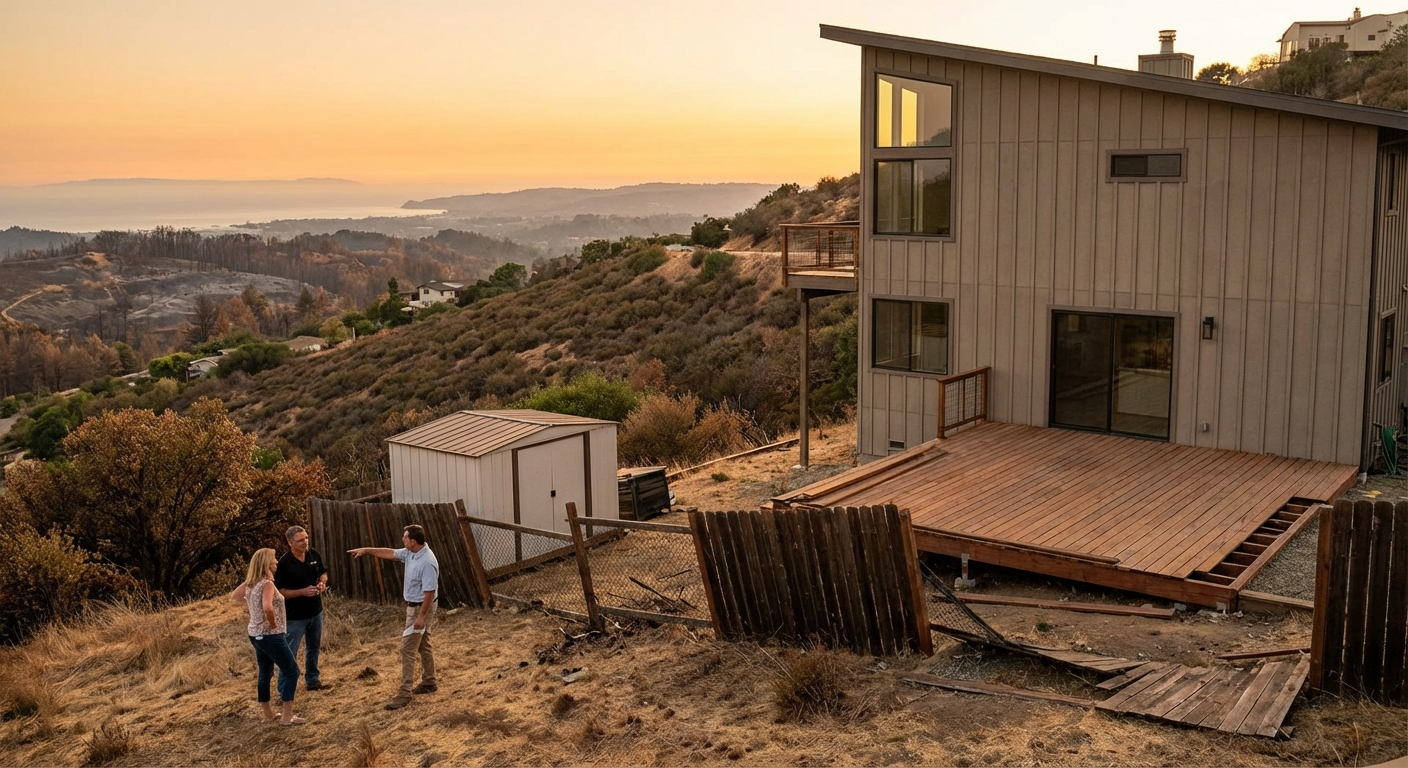
This is the big one, the one that’s really making headlines and causing headaches for homeowners across California, from the foothills of the Sierra Nevada to the brush-heavy canyons of Malibu. Standard homeowners policies *do* cover fire damage, including wildfires. However, the sheer scale and frequency of recent wildfires – think the Camp Fire, the Woolsey Fire, the potential 2025 LA fires – have made insurers extremely wary. Many major carriers like State Farm, AAA, and Farmers have either paused writing new policies or significantly increased premiums in high-risk areas.
That’s not the whole story. If you’re in a designated high-fire-risk zone – and more and more areas, even places like the outskirts of the Valley, are becoming one – you might find it tough to get coverage from traditional insurers.
Sewer Backup: A Nasty Surprise
A clogged sewer line or drainage system can send wastewater bubbling up into your home. Gross. And expensive. Standard policies usually *don’t* cover this unless you add an endorsement specifically for water backup and sump pump overflow. It’s a relatively inexpensive add-on that can save you a huge headache and thousands in cleanup costs.
Mold: Limited Protection
Mold is tricky. If it’s caused by a sudden, accidental covered peril – like a burst pipe that’s quickly fixed – your policy might cover the damage and remediation. But if the mold is due to long-term neglect, a slow leak you ignored, or just general humidity, you’re likely on your own. Most policies have strict limits on mold coverage, so addressing water issues immediately is always the best strategy.
Navigating the Shifting California Insurance Landscape
The California insurance market is in flux. Prop 103, a 1988 ballot initiative, gives the state insurance commissioner the power to approve or reject rate increases. This, combined with the escalating costs of rebuilding after fires and other disasters, has led some insurers to pull back.
Which brings up something most people miss. If you can’t find coverage from a traditional insurer, you might end up with the California FAIR Plan. This is California’s “insurer of last resort.” It provides basic fire coverage – and that’s usually *all* it provides. You’ll need to buy a separate “Difference in Conditions” (DIC) policy to get liability, theft, and other standard protections. It’s a patchwork solution, often more expensive, and frankly, less robust than a standard policy. But for many homeowners in places like Paradise or parts of Sonoma County, it’s their only option right now.
Finding the Right Protection: A Conversation, Not a Click
Given all these moving parts, how do you make sure your home is truly protected? You don’t just click a button online and hope for the best. You talk to someone who understands the nuances of California insurance.
Someone like Karl Susman of Best California Home Insurance. With CA License #OB75129, Karl and his team specialize in helping California homeowners cut through the noise and find the right coverage. An independent agent works with multiple carriers, not just one, which means they can shop around for you, explain the fine print, and help you understand what endorsements you actually need. They’ll also be honest about the challenges of insuring homes in high-risk areas and help you explore all available options, including navigating the FAIR Plan if necessary.
Ready to understand your options better? Get a California Home Insurance Quote.
Frequently Asked Questions About California Home Insurance
Does my standard California homeowners policy cover wildfires?
Yes, standard homeowners policies in California generally cover fire damage, including wildfires. However, due to the increasing frequency and severity of wildfires, many insurers have become reluctant to write new policies or have significantly raised premiums in high-risk areas.
Do I need separate earthquake insurance in California?
Absolutely. Standard homeowners insurance policies explicitly exclude earthquake damage. If you want protection against earthquakes, you must purchase a separate earthquake insurance policy, often through the California Earthquake Authority (CEA) or a private insurer.
What is the California FAIR Plan?
The California FAIR Plan is a state-mandated program that acts as an “insurer of last resort” for properties that can’t get coverage in the traditional market, often due to high fire risk. It provides basic fire coverage but typically requires homeowners to purchase a separate “Difference in Conditions” (DIC) policy for other perils like liability and theft.
How do deductibles work for California home insurance?
A deductible is the amount you pay out of pocket before your insurance coverage kicks in. For standard perils like fire or theft, you’ll usually have a flat dollar amount deductible (e.g., $1,000 or $2,500). For specific perils like earthquakes, deductibles are often a percentage of your dwelling coverage (e.g., 10% or 15%), which can be a substantial amount.
Why are California home insurance premiums so high right now?
Several factors are driving up premiums: the increasing frequency and severity of natural disasters (especially wildfires), rising rebuilding costs due to inflation and supply chain issues, and regulatory challenges that limit insurers’ ability to adjust rates quickly. Some major carriers have even paused writing new policies in the state.
Understanding your homeowners insurance in California isn’t a set-it-and-forget-it task. It requires attention, especially with our state’s unique risks. Don’t leave your biggest asset vulnerable.
For a clear picture of what your California home insurance covers – and what it should cover – talk to an expert. Karl Susman and Best California Home Insurance (CA License #OB75129) are here to help you navigate the complexities and secure the right protection for your home. Click here to get a personalized quote and expert guidance.
This article is for informational purposes only and does not constitute financial advice.