California Home Insurance: What’s Changing for 2026?
If you own a home in California, you’ve probably felt the ground shifting under your feet when it comes to insurance. It’s not just a feeling. The market here has been in flux for years, and 2026 is shaping up to be another big year for changes. You might be wondering what’s actually going to be different, and frankly, a lot of it boils down to how insurers look at risk — especially wildfire risk.
For a long time, the way insurance companies priced policies in California was pretty restricted. Think about it: they couldn’t factor in future risks, only past losses. That made it tough for them to keep up with the increasing frequency and severity of events like the massive wildfires we’ve seen across the state, from the hills of Ventura County to the forests near Lake Tahoe. Insurers were essentially playing catch-up, and many decided they couldn’t afford to play at all.
The New Rules of Risk Assessment
Here’s where it gets interesting. The California Department of Insurance (CDI) has been working on a series of reforms. One of the biggest changes coming is allowing insurers to use forward-looking models for pricing. What does that mean for you? Instead of just looking at last year’s fire season, they’ll be able to predict what might happen in the next few years. They’ll consider things like climate change, new building codes, and even your home’s specific “hardening” efforts against fire.
Honestly, this is a double-edged sword. On one hand, it could mean more accurate pricing. If you’ve spent money on a fire-resistant roof, defensible space, or ember-resistant vents, your insurer might actually give you credit for that. That’s a big deal. For years, homeowners in high-risk areas felt like they were doing everything right but still getting hit with huge premium increases or non-renewals.
But here’s the thing. It also means properties in areas with increasing future risk – perhaps places like the wildland-urban interface in the Sierra foothills or even some parts of the Santa Monica Mountains – could see their premiums jump significantly. It’s not always easy to predict, but the data models are getting smarter.

Capacity Crunch and the FAIR Plan
You’ve probably heard about major insurers like State Farm, Allstate, and Farmers pulling back or limiting new policies in California. This isn’t just a rumor; it’s a real capacity crunch. When these big names reduce their footprint, it leaves a gap. Many homeowners have found themselves pushed into the California FAIR Plan.
The FAIR Plan is California’s “insurer of last resort.” It’s there to make sure everyone can get basic fire coverage, even if private insurers won’t offer it. The problem? It’s often more expensive, and it only covers fire. You’d still need a “wrap-around” policy from a private insurer for everything else – liability, theft, water damage. This two-policy system can be a headache, and it’s definitely not cheaper.
Some might argue the FAIR Plan is a necessary safety net. The real answer is more complicated. Its growth shows just how stressed the private market is. The CDI reforms aim to encourage private insurers to come back to California, or at least expand their offerings. The hope is that by letting them price more accurately and account for mitigation efforts, they’ll feel more comfortable writing policies here.
What About Wildfire Mitigation and Discounts?
This is a key piece of the 2026 puzzle. The state is pushing hard for insurers to offer discounts for homes that meet certain wildfire safety standards. Think about it: if you invest in making your home safer, shouldn’t your insurance reflect that? Absolutely.
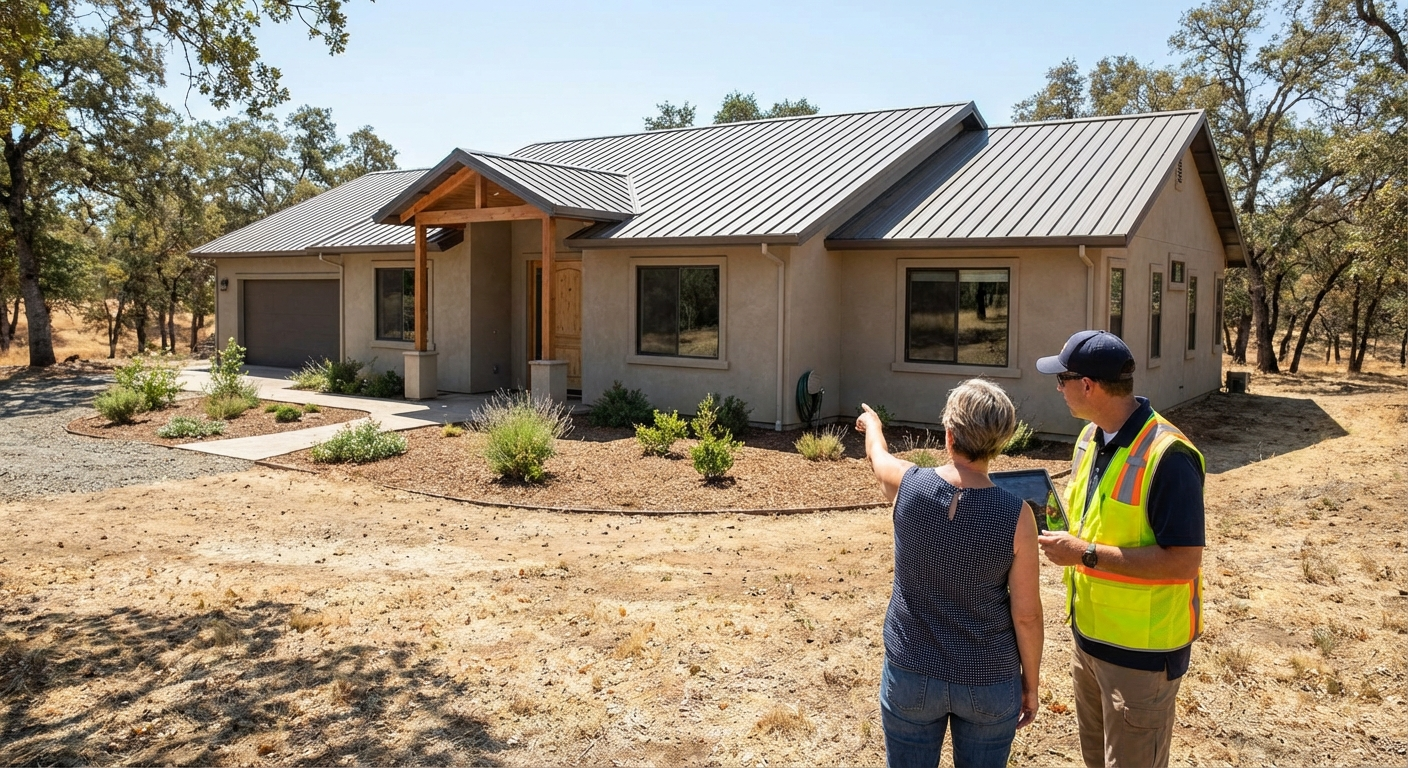
For example, if you clear brush 100 feet around your home, install non-combustible siding, or have double-pane windows, these are all things that can make a huge difference in a wildfire. The new regulations are designed to make sure insurers recognize these efforts. We’re talking about tangible benefits for homeowners who take proactive steps. This isn’t just about preventing fires; it’s about reducing the damage when they do occur.
Which brings up something most people miss. It’s not just about the big, flashy wildfires you see on the news. It’s also about embers. A tiny ember can travel miles and ignite a home that seems perfectly safe. That’s why things like ember-resistant vents and properly maintained gutters are so important.
Understanding Your Policy and What’s Required
It’s easy to just pay your premium and forget about it. But now, more than ever, you need to actually read your policy. Understand your dwelling coverage, your personal property limits, and your liability. Are you covered for extended replacement cost? That’s a big one. In a major disaster, rebuilding costs can skyrocket, and if your policy only covers the original estimated value, you could be left short.
Many mortgage lenders require specific coverage levels. They want to protect their investment, naturally. Typically, they’ll ask for enough dwelling coverage to rebuild your home entirely, and often a certain amount of liability coverage. If you don’t maintain these requirements, your lender could force-place insurance on you — and believe me, you don’t want that. It’s almost always more expensive and offers less coverage.
Prop 103 and the Future
California’s Proposition 103, passed back in 1988, gives the Insurance Commissioner significant power over rates. Any rate increase has to be approved by the CDI. This has been a point of contention for insurers, who argue it slows down their ability to adjust to market realities. The recent reforms are an attempt to balance consumer protection with the need for a healthy, competitive insurance market.
It’s a delicate balance. You want affordable insurance, but you also want insurers to be solvent and willing to write policies. The 2026 changes are a bet that by giving insurers more flexibility on pricing and risk modeling, they’ll be more inclined to stay and offer policies, ultimately benefiting consumers through more choice and potentially lower prices for those who mitigate their risks.
Getting Help in a Shifting Market
Honestly, navigating California’s home insurance market feels like a full-time job these days. It’s not something you should try to figure out on your own. You need an expert who understands the nuances, the new regulations, and which insurers are still playing ball in your specific area.
That’s where an independent agent like Karl Susman comes in. He and his team at Best California Home Insurance have been helping Californians with their insurance needs for years. They know the market inside and out, and they can help you find the best options, whether that’s a traditional policy, a FAIR Plan setup, or something else entirely. Their CA License is #OB75129, and you can reach them at (877) 411-5200.
Don’t wait until your renewal notice hits with a massive increase or a non-renewal letter. Start looking into your options now. Get ahead of the curve.
If you’re ready to explore your options and get a clearer picture of what 2026 might look like for your home insurance, don’t hesitate. Get a quote today.
Your Home’s Specifics Matter More Than Ever
We’ve talked a lot about statewide changes, but let’s be clear: your individual property will be under the microscope more than ever. Location, of course, is huge. A home in the heart of the Inland Empire, far from wildlands, will face different considerations than a property nestled in the hills of Sonoma County.
But it’s not just location. What’s your roof made of? Do you have proper attic venting? Is your landscaping fire-resistant? These details, often overlooked in the past, are becoming central to how insurers assess your risk and, by extension, your premium. It’s not just about what the state *requires* anymore; it’s about what you can *do* to protect your home and, in turn, your wallet.
For many homeowners, especially those in areas that have historically been considered lower risk, this might feel like a sudden shift. Suddenly, that old wooden deck or the dense shrubbery right up against the house could be a problem. It’s a call to action for everyone to reassess their home’s vulnerability.
The Role of Technology
But wait — there’s more. Technology is playing a bigger part too. Some insurers are using satellite imagery, drones, and AI to assess properties remotely. They can spot things like overgrown vegetation or specific roof types without ever sending an adjuster to your house. This speeds up the underwriting process, but it also means they have a much more granular view of your property’s risk factors. It’s a brave new world, and your home is now visible in ways it never was before.
This isn’t about being sneaky. It’s about data. Insurers are trying to get the clearest possible picture of risk to make better decisions. And if that data shows you’ve made your home safer, it could work in your favor.
If you’re feeling overwhelmed by all these changes, you’re not alone. Many Californians are. That’s why having an experienced guide is so valuable. Karl Susman and the team at Best California Home Insurance (CA License #OB75129) are here to help make sense of it all. Give them a call at (877) 411-5200.
Ready to get some answers tailored to your specific situation? Click here to get a personalized quote and see how the 2026 changes might impact you.
Frequently Asked Questions About California Home Insurance in 2026
-
Will my home insurance rates definitely go up in 2026?
Not necessarily for everyone, but many Californians should expect potential changes. Rates are influenced by your specific location, your home’s risk factors, and the overall market. If you’ve made wildfire mitigation improvements, you might even see a discount. -
What are “forward-looking models” and how do they affect me?
These are new tools insurers can use to predict future risks, like wildfire potential, rather than just relying on past data. They’ll consider climate change, local conditions, and your home’s specific features. This means your premium could be more reflective of your actual, current risk. -
What kind of wildfire mitigation efforts should I consider?
Things like creating defensible space around your home, using fire-resistant building materials (roofing, siding), installing ember-resistant vents, and maintaining your landscaping can all make a difference. Check with local fire authorities for specific recommendations in your area. -
What if I can’t find a private insurer?
The California FAIR Plan remains an option as the state’s “insurer of last resort” for fire coverage. You’ll likely need a separate “wrap-around” policy for other perils like liability, theft, and water damage. An independent agent can help you explore both options.
This article is for informational purposes only and does not constitute financial advice.